Start with priorities, not pictures
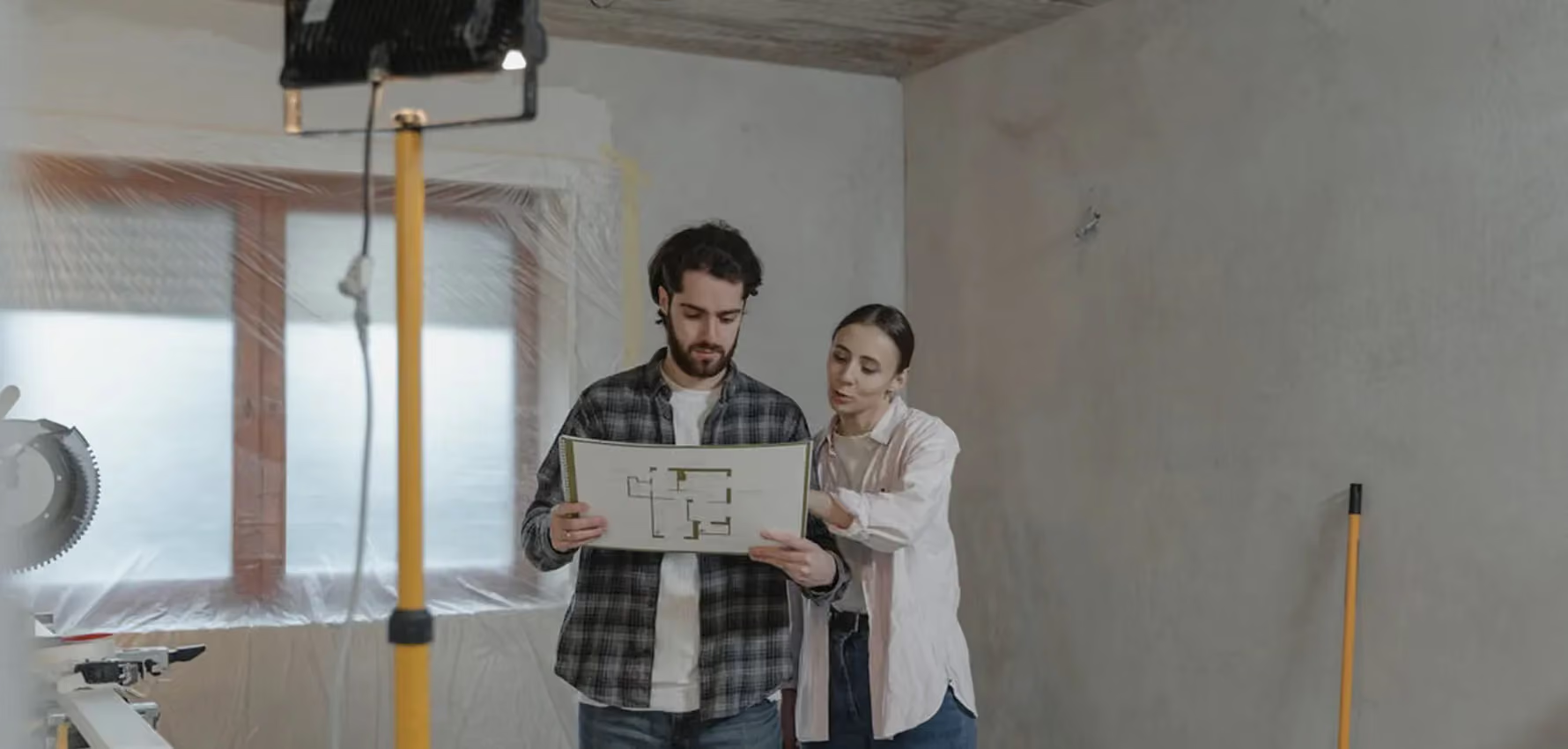
Mood boards are fun, but a renovation succeeds when the brief is clear. List what is not working in the house today, what you need in five years, and which rooms matter most. That list becomes the backbone of every decision you make later.
Next, set a realistic budget and keep a 10 to 15 percent contingency for surprises behind the walls. It is far easier to add upgrades at the end than to cut scope halfway through the build.
Sequence the work
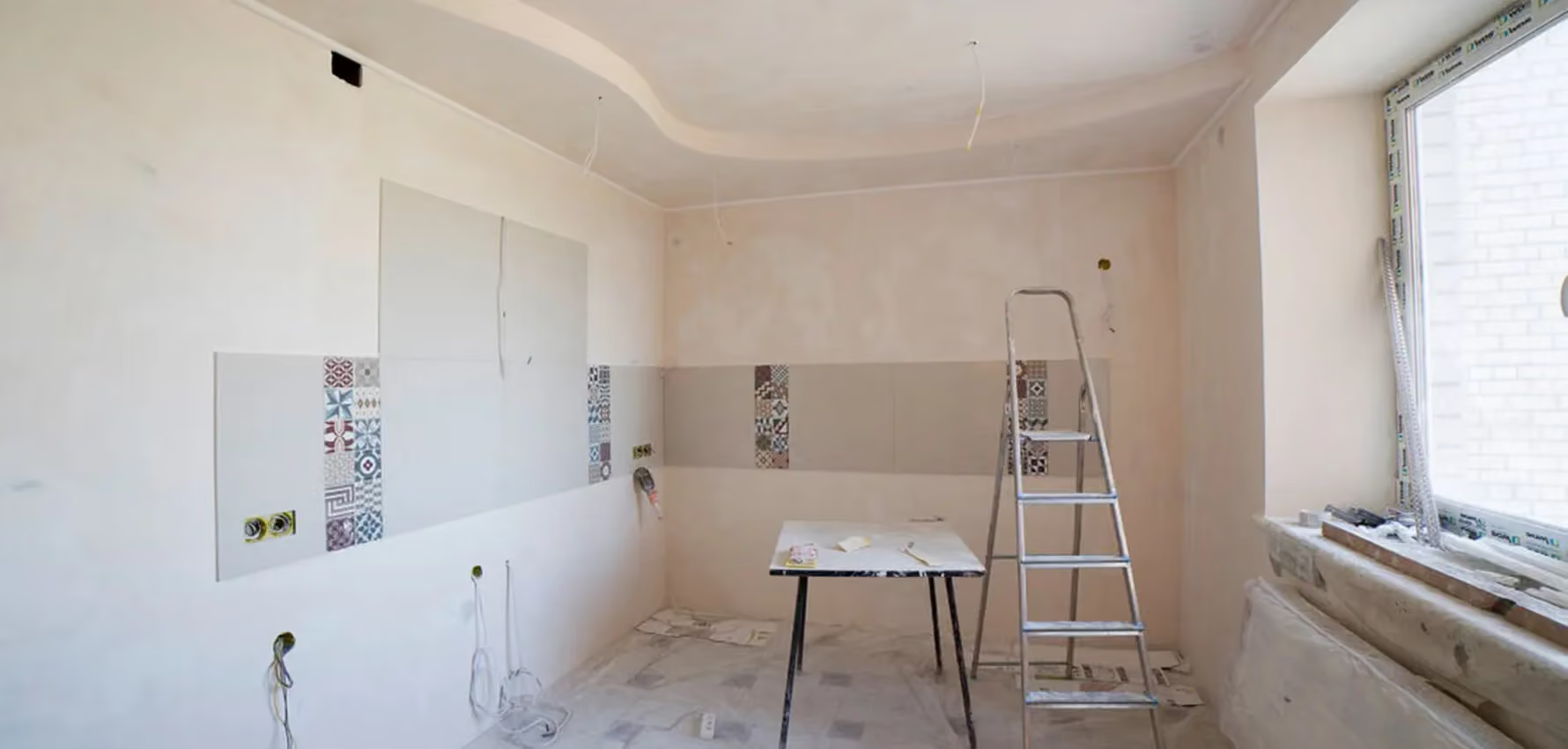
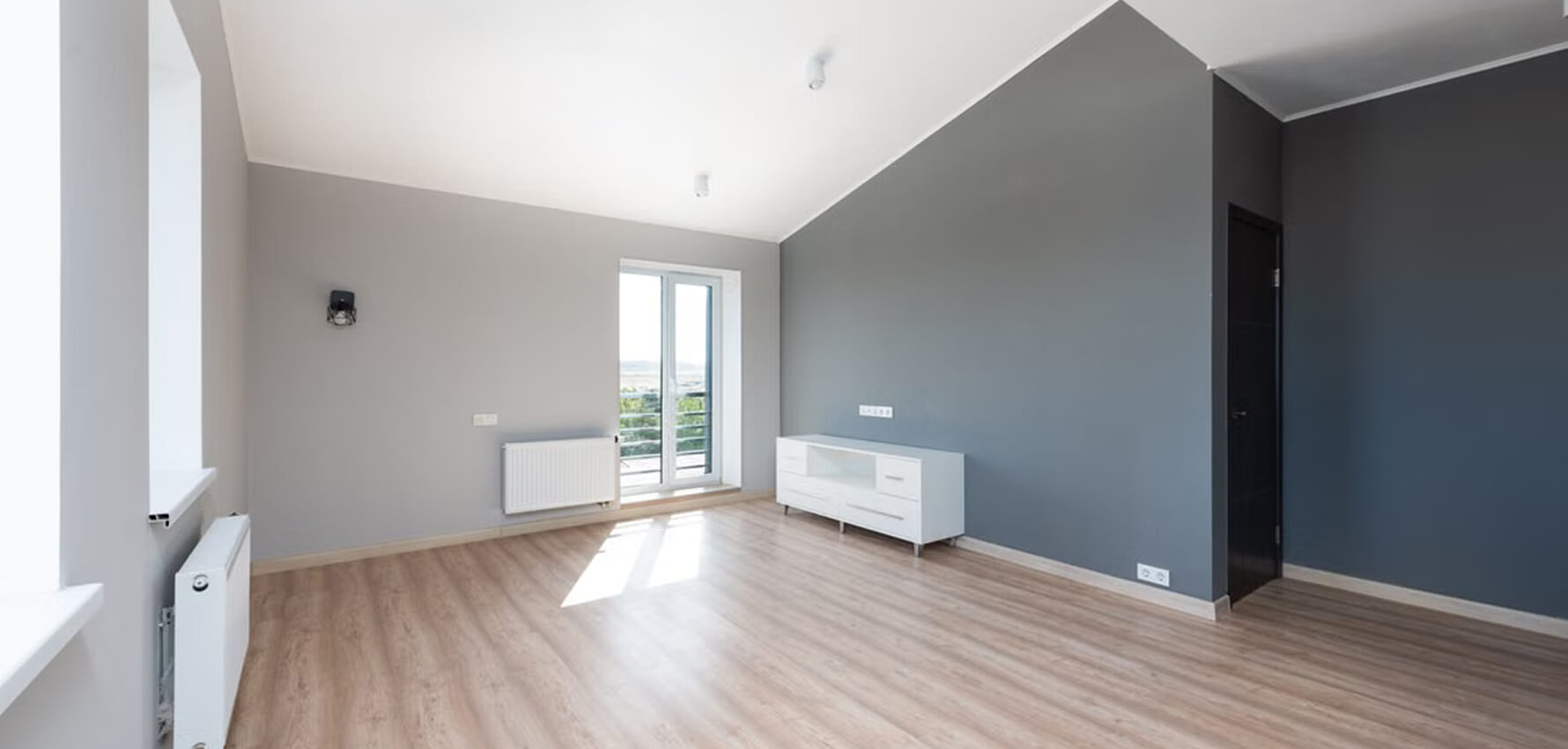
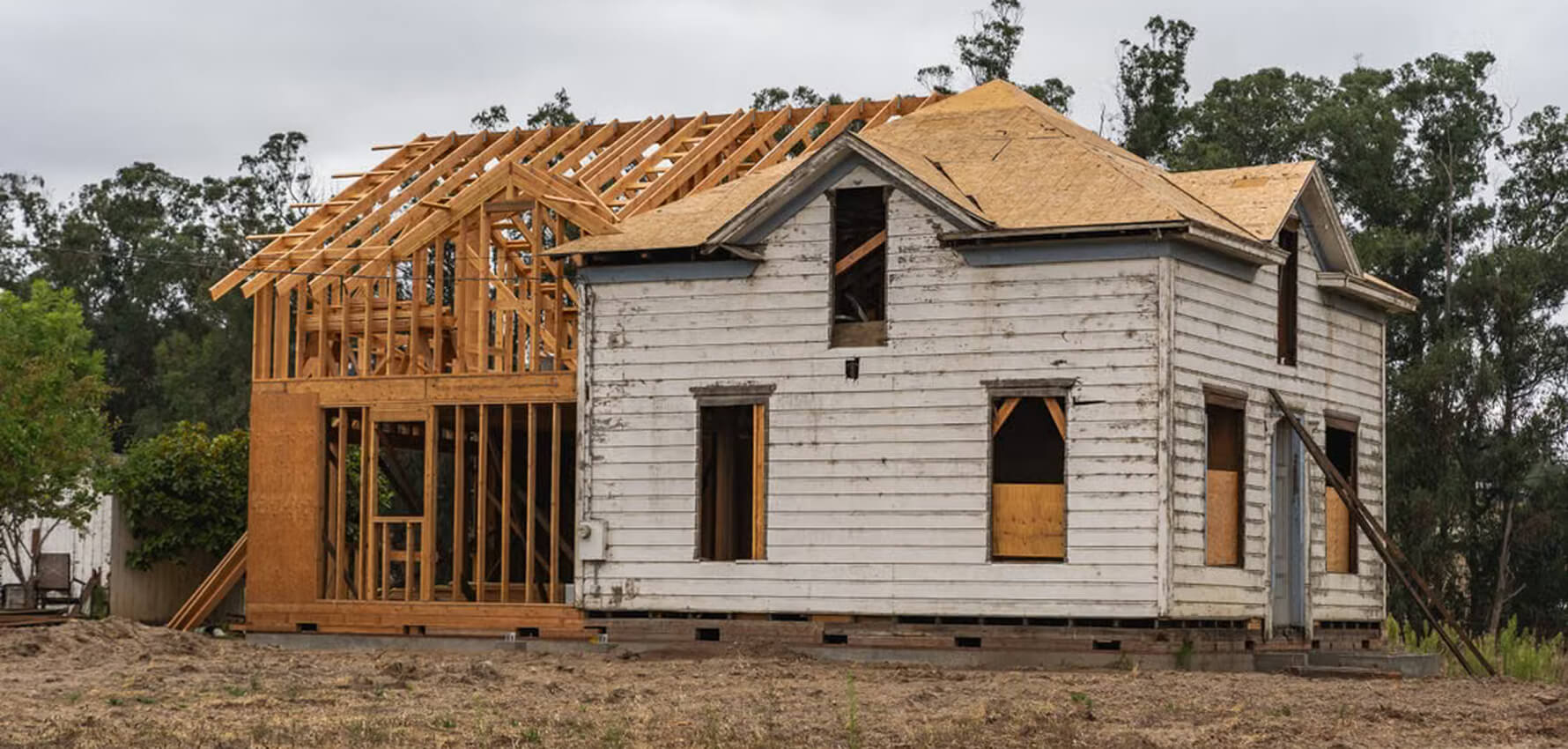
Structural work, roofing and anything involving permits always comes first, followed by plumbing and electrical rough-ins, then insulation, drywall, trim carpentry and finally decoration. Planning in this order avoids tearing out new finishes to fix something underneath.
Finally, choose your team early. A designer and contractor who are involved from day one can flag cost and buildability issues before drawings are final, saving both time and money on site.